Interlocking pavers represent a significant advancement in hardscaping technology, offering enhanced resistance to stains and cracks through their flexible design. These construction materials have transformed outdoor surfaces by providing durability and adaptability that surpass traditional paving options.
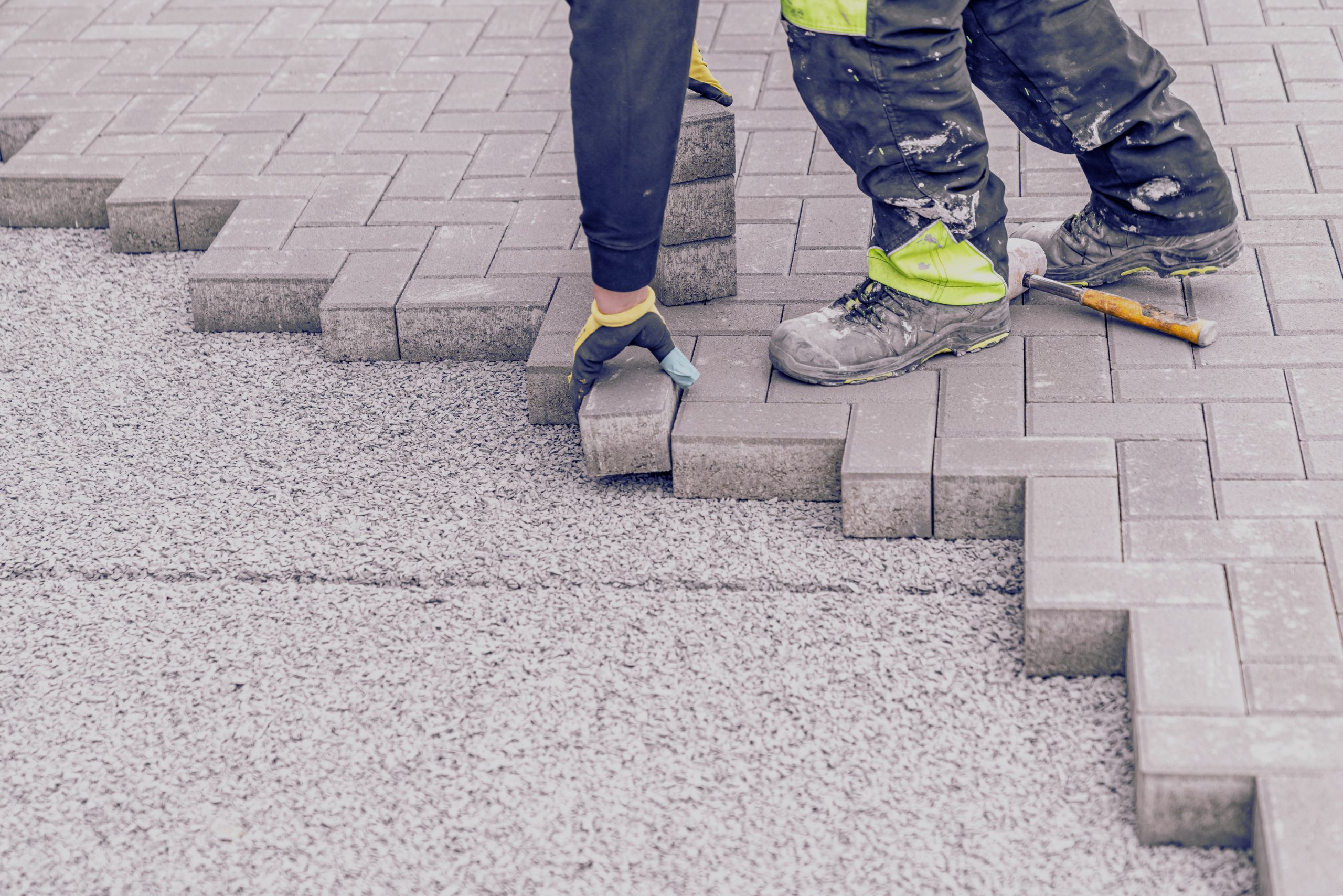
The engineering behind interlocking pavers specifically addresses the common issues that affect conventional paving materials like concrete and asphalt. Their design incorporates small, calculated gaps between individual units, creating a system that works in harmony with natural ground movement rather than against it. This fundamental characteristic allows the pavement to respond dynamically to environmental stresses without compromising its structural integrity.
These pavers exhibit exceptional resilience in various environmental conditions, particularly during seasonal changes. When water penetrates beneath the surface and freezes, the expansion typically causes rigid surfaces to crack. However, interlocking pavers can accommodate this movement through their joints, effectively distributing the pressure across the entire surface rather than concentrating it in one area.
Manufacturing Excellence and Material Properties
The outstanding performance of interlocking pavers stems from their sophisticated manufacturing process. These units are created under carefully controlled conditions, utilizing specialized clay materials and extreme temperatures. This process results in pavers with exceptional density and strength, making them highly resistant to external forces and abrasion. The high-temperature firing process also creates a surface that naturally repels stains, unlike more porous materials that readily absorb liquids and chemicals.
The chemical composition and surface treatment of these pavers contribute significantly to their stain-resistant properties. Unlike conventional paving materials, they resist the penetration of common staining agents such as oil, grease, and organic matter. This resistance is particularly valuable in areas where de-icing chemicals are frequently used, as these substances can severely damage traditional paving materials.
Practical Benefits and Maintenance Advantages
The modular nature of interlocking pavers provides practical benefits that extend beyond their durability. When ground settlement or other factors cause surface irregularities, individual pavers can be easily removed and reinstalled without the need for extensive repairs. This characteristic not only saves time and money but also ensures the longevity of the installation.
The flexibility of the system also contributes to superior drainage capabilities. The joints between pavers allow water to percolate through rather than pool on the surface, reducing the risk of water damage and freeze-thaw related issues. This natural drainage system helps maintain the structural integrity of the surface while minimizing the potential for staining from standing water.
The combination of material properties and design features makes interlocking pavers particularly resistant to the formation of efflorescence, a common issue with concrete products where white, powdery deposits appear on the surface. The manufacturing process and material selection help prevent the migration of minerals that cause this unsightly condition.
Explore Exceptional Interlocking Solutions
Vanguard Contracting offers top-notch interlocking pavers that are designed to withstand the test of time. With their flexibility, these pavers can resist stains and cracks, making them an ideal choice for outdoor spaces. Whether it’s for driveways, walkways, or patios, Vanguard Contracting ensures that each installation enhances the beauty and functionality of your property. Discover more about their interlocking services interlocking in Ottawa.