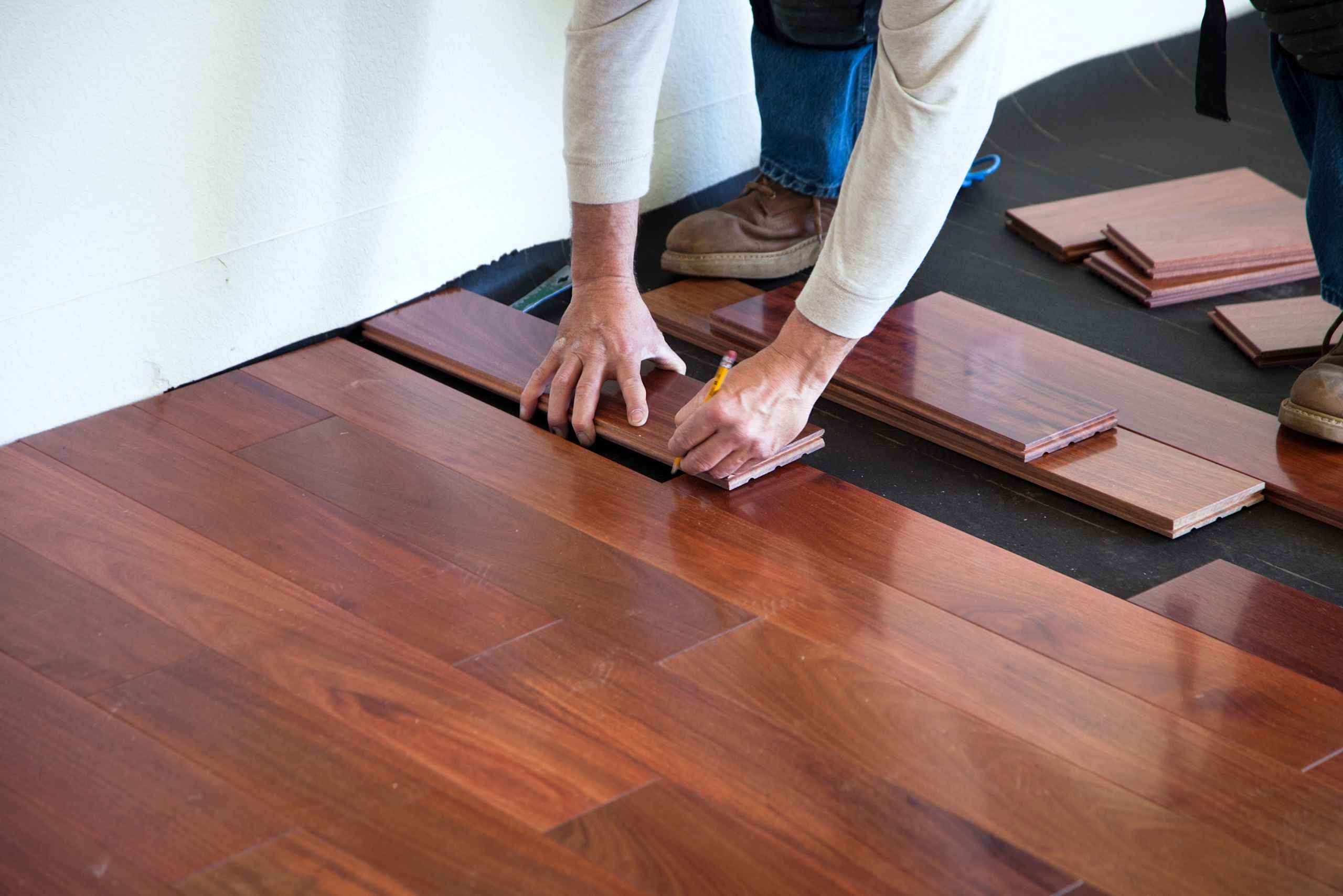
Selecting the right flooring option for humid environments can be challenging. While traditional hardwood offers timeless beauty, it often struggles with moisture fluctuations. Engineered hardwood flooring has emerged as an innovative solution, allowing homeowners to enjoy the classic appeal of hardwood while ensuring exceptional durability in high-humidity conditions.Let’s explore why engineered hardwood excels in humid climates, how its construction provides superior moisture resistance, and key maintenance considerations to maximize performance.
The Science Behind Engineered Hardwood’s Humidity Resistance
Engineered hardwood’s remarkable performance in humid environments stems from its sophisticated multi-layered construction:
- Strategic Layer Configuration: Unlike solid hardwood, engineered variants feature a real hardwood veneer surface bonded to multiple underlying layers of plywood or high-density fiberboard.
- Cross-Grain Technology: Each layer is positioned perpendicular to adjacent ones, creating a cross-ply structure that effectively counteracts wood’s natural tendency to expand and contract with moisture fluctuations.
- Dimensional Stability: This innovative design allows the flooring to maintain its shape and integrity even when subjected to challenging humidity levels that would cause solid hardwood to warp or cup.
- Moisture-Resistant Treatments: Many engineered hardwood products receive specialized finishes that create an additional protective barrier against humidity while preserving the wood’s authentic appearance.
Superior Performance in High-Humidity Environments
Engineered hardwood offers several distinct advantages that make it ideal for moisture-rich climates:
- Reduced Warping Risk: The core layers of plywood or high-density fiberboard provide exceptional dimensional stability, significantly minimizing the risk of warping, cupping, or buckling common with traditional hardwood.
- Professional Installation Benefits: Experienced installers implement techniques including proper acclimation periods and moisture barriers to enhance the floor’s resistance to humidity-related issues.
- Versatile Application: This flooring option can be installed in previously challenging locations, including basements, bathrooms (with proper sealing), and regions with naturally high humidity levels.
- Enhanced Longevity: The structural design, combined with protective finishing, helps engineered hardwood maintain appearance and performance over many years, even in fluctuating moisture conditions.
Practical Maintenance for Optimal Performance
While engineered hardwood demonstrates impressive resilience in high-humidity environments, proper maintenance remains essential:
- Ideal Humidity Range: Maintain indoor relative humidity between 35% and 55% to prevent excessive moisture absorption or drying that could affect even these resilient floors.
- Climate Control Solutions: Use air conditioners and dehumidifiers during humid seasons to create stable indoor conditions that protect your flooring investment.
- Monitoring Technology: Consider installing humidity monitoring devices to track and adjust indoor moisture levels, ensuring your flooring remains within the recommended range.
- Proactive Care Practices: Address any spills immediately, use manufacturer-recommended cleaning products, and avoid excessive water during maintenance routines.
- Scheduled Professional Maintenance: Periodic refinishing and applying protective treatments by flooring specialists can extend the life of your engineered hardwood while preserving its moisture-resistant properties.
Installation Considerations for Maximum Humidity Resistance
Proper installation significantly impacts engineered hardwood’s performance in humid conditions:
- Subfloor Preparation: Ensure the subfloor is clean, level, and properly sealed against moisture before installation begins.
- Moisture Testing: Professional installers should conduct moisture testing of both the subfloor and the engineered hardwood materials to ensure compatibility.
- Acclimation Period: Allow flooring materials to adjust to the home’s environment for the manufacturer-recommended period (typically 48-72 hours) before installation.
- Expansion Gaps: Maintain appropriate expansion spaces around the room’s perimeter to accommodate minimal movement that may still occur with humidity changes.
Engineered hardwood flooring represents a perfect balance of aesthetic appeal and practical performance for homeowners in humid environments. Its innovative construction provides the moisture resistance needed for long-lasting beauty while delivering the warmth and character that makes hardwood desirable.
Call us at (343) 297-5699 or contact us today for a free quote. We’ll bring samples, measure your space, and give you a straight-talking assessment of which engineered hardwood options make the most sense for your home and budget.